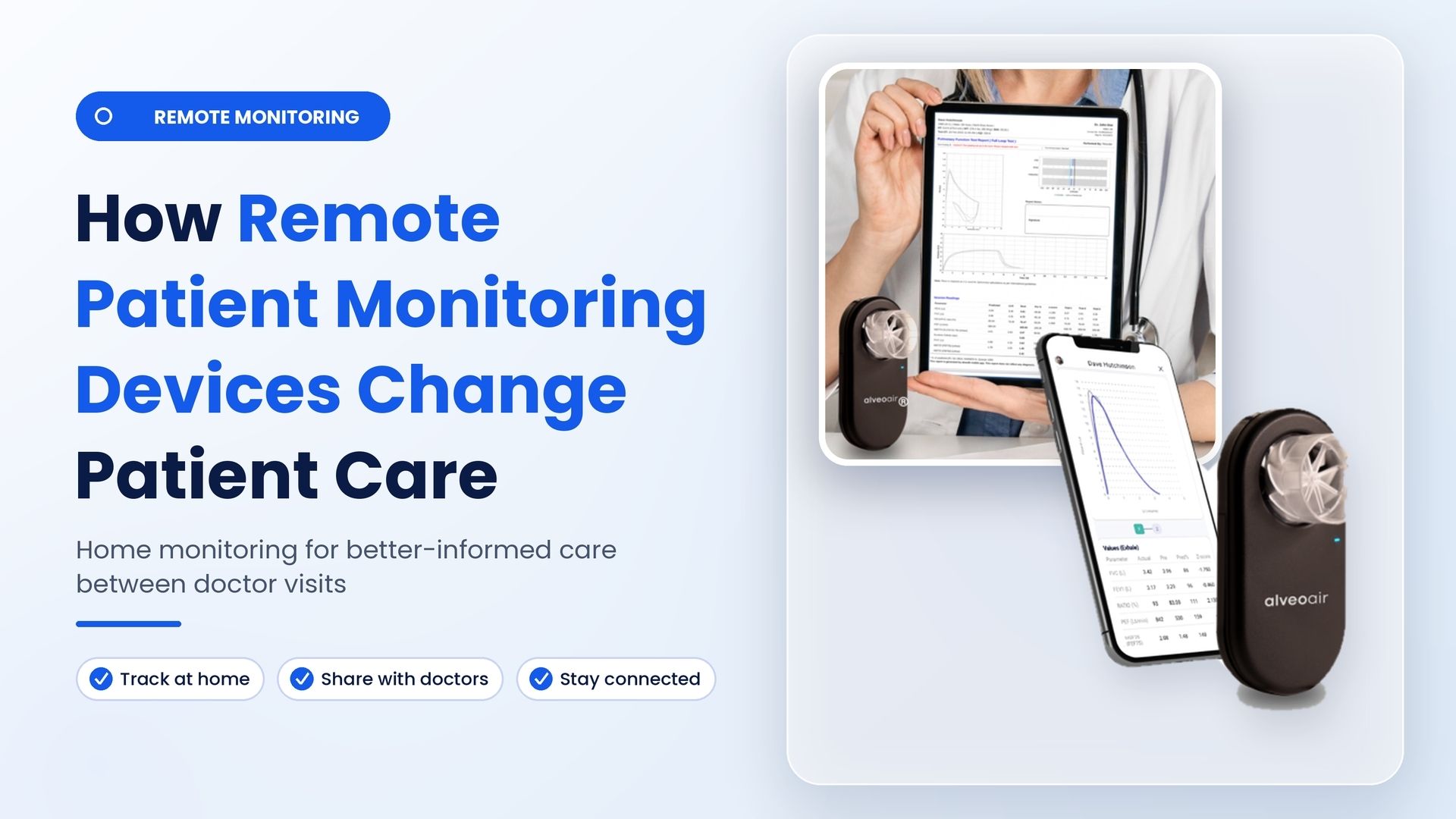
A patient’s health does not change only when they are sitting in a doctor’s office. Symptoms can appear at home, readings can shift between appointments, and small changes may go unnoticed until they become harder to manage. Yet traditional care often depends on occasional check-ups that offer only a snapshot of what is happening.
So, what happens between those visits?
This is where remote patient monitoring devices can change the way care is delivered. They allow selected health measurements to be collected outside the clinic and shared with the care team over time.
But the value of using these devices is not simply in collecting more numbers. It lies in how that information can help patients and healthcare teams stay more aware of changes between visits. Let’s look at how remote monitoring can make that possible.
1. Changes Can Become Visible Before the Next Appointment
Managing a chronic condition often means keeping an eye on symptoms and health readings over time. Yet most routine appointments capture only what is happening on the day of the visit. Changes that occur at home can easily fall outside that picture.
A patient may notice more frequent breathlessness, higher blood pressure readings, or changes in blood glucose days before their next appointment. They may wait and see if the problem settles, especially when the change seems small. That can leave the doctor with very little information about what happened between visits.
Remote patient monitoring devices can help close that gap. They allow measurements to be taken at home and shared with the healthcare team at regular intervals. Even providers do not have to rely only on the reading recorded during the last consultation. They can review what has been happening between appointments when patients use home health monitoring devices.
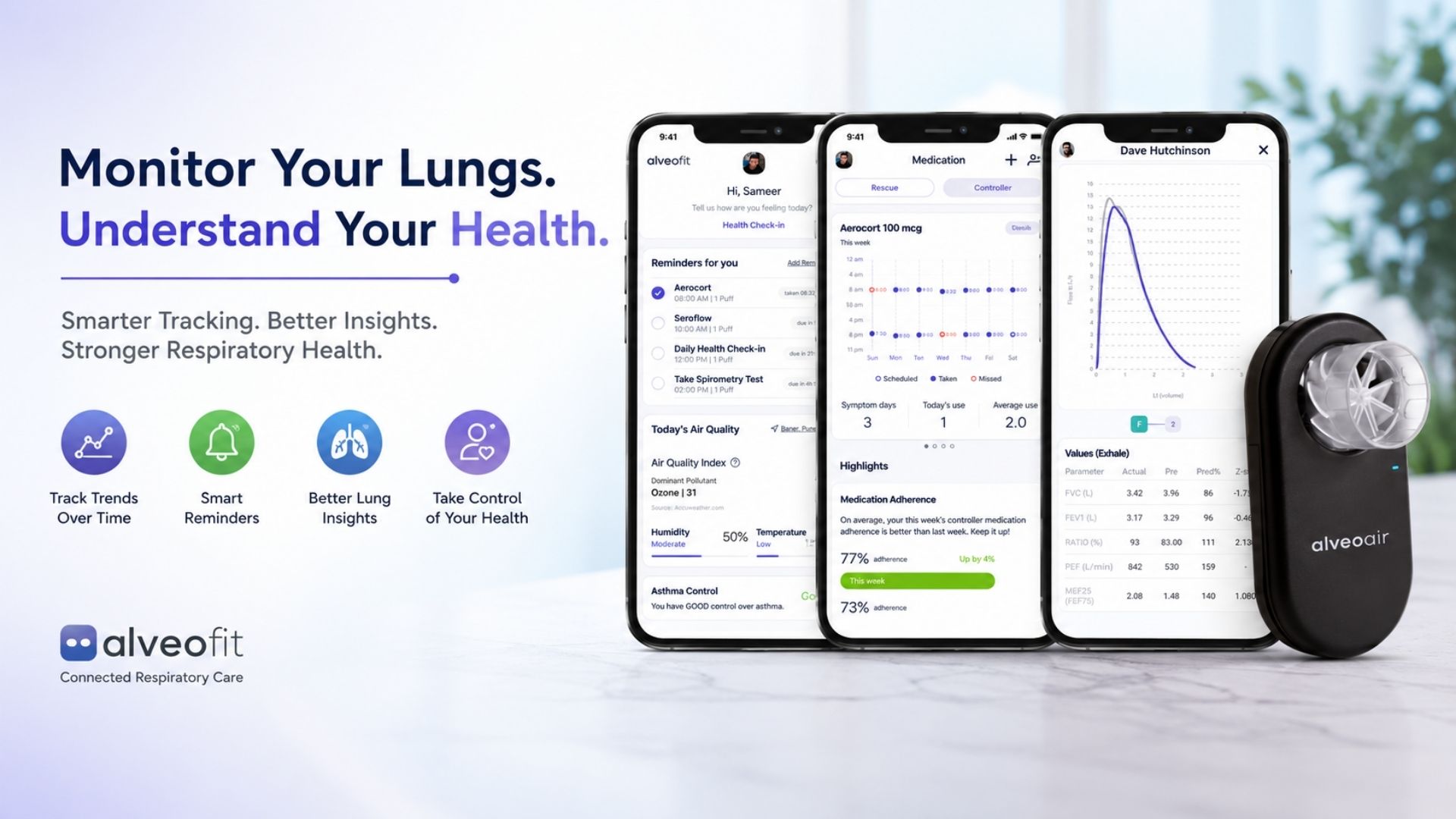
Imagine your parent is managing COPD and usually knows what their breathing feels like. Over a few days, they start getting more breathless while doing things that normally feel easy. Their home respiratory readings are also beginning to change. Neither sign may seem alarming on its own. Together, however, they give the care team more information to review and can help determine whether the change needs further attention.
That is what makes monitoring between appointments valuable. It gives healthcare professionals a clearer picture of changes that might otherwise remain invisible until the next visit.
2. Patients Can Take a More Active Role in Their Care
Managing a long-term condition does not stop when you leave the doctor’s office. You still have to keep an eye on your symptoms, follow your treatment plan, and pay attention to changes in how you feel. The more you understand what is happening with your condition, the easier it becomes to take part in conversations about your care.
But how can you take an active role in your care when you have little visibility into your own health between visits?
You may remember how you felt or what your doctor told you. But do you have anything concrete to look back on or discuss at your next appointment? Probably not!
That is exactly where remote patient monitoring devices can change things. They allow you to keep track of health measurements at home, giving you something more useful than a memory of how you felt on a particular day. You can follow your readings over time and share them with your healthcare provider when needed.
That gives you a clearer picture of what has been happening between appointments and helps you bring something more concrete into your conversations with your healthcare provider.
3. Doctors Get More Information to Support Clinical Decisions
A doctor can learn a lot during an appointment, but there is still a limit to what one visit can show. Symptoms may come and go. Readings can change. Treatment may work differently from one day to another. Much of that can happen when the patient is at home and away from the clinic.
So, what if the doctor could see more of what happens between those visits?
Remote patient monitoring devices can provide that additional information by allowing needed measurements to be collected at home over time. They do not merely have to rely on what a patient remembers or a single reading from the last appointment. Instead, the doctor can review measurements from different points in the monitoring period.
Depending on the condition being monitored, that information may help show:
- Changes in health readings: Are the measurements staying within the patient's usual range, or have they started to shift?
- Patterns over time: Is a change happening once, or does it keep appearing across several readings?
- Response to treatment: Have the patient's readings remained stable or changed after treatment began?
- Information between appointments: What was happening during the days or weeks when the patient was not in the clinic?
This gives the doctor more context when reviewing the patient's symptoms and deciding whether further assessment or follow-up may be needed. The readings do not tell the whole story on their own. They become useful when considered alongside the patient's symptoms, medical history, examination, and other clinical information.
That is where remote monitoring adds value to routine care. But always remember that it does not replace the doctor's judgement but actually gives them more information to work with.
4. Care Teams Can Prioritise the Patients Who Need Attention
Healthcare teams are never handling just one patient. They have numerous patients coming in and out of the clinic, each with different conditions, symptoms, and care needs. But does every patient need the same kind of attention at the same time?
No! Some patients may have stable readings, while others may show changes that need a closer look. But how will the healthcare team know which patient needs that closer attention?
Remote patient monitoring devices can help by giving care teams access to important readings from patients between appointments. If someone's measurements start changing, the team can review that information and decide whether the patient needs to be contacted, assessed, or followed up. This can help healthcare professionals give the right patient the right attention at the right time.
5. Patients Can Receive Part of Their Care Without Another Routine Visit
Not every follow-up needs another trip to the clinic. Some health measurements can be taken at home and shared with the healthcare team, allowing patients to stay connected to their care without visiting the facility each time.
Remote patient monitoring devices make this possible for suitable patients and conditions. It allows doctors to review the information collected at home and decide whether the patient needs routine follow-ups, a change in care, or an in-person assessment.
This can be especially helpful for patients who live far from healthcare facilities or find frequent travel difficult. These patients can monitor health measurements from home and share the information with their healthcare team without travelling to the clinic for every routine check. This can make regular monitoring easier while keeping their care connected.
6. Remote Monitoring Can Support Long-Term Condition Management
Do you think managing a chronic condition ends after the diagnosis? No! People dealing with chronic conditions may need to keep monitoring their health and staying in touch with their healthcare team for months or even years. But how do you keep track of what is happening when you are not visiting your doctor every few weeks?
Remote patient monitoring devices can make this ongoing care easier. These devices can help patients record measurements from home and share them with their healthcare team, giving doctors useful information to follow their condition over time.
Regular monitoring can help reveal whether a condition is remaining stable or changing gradually. That gives doctors a better basis for deciding whether the current approach is working or whether the patient's care needs to be adjusted as their condition changes.
Conclusion
The benefits of remote monitoring go well beyond the ones covered here. It can help make changes visible between appointments, involve patients more closely in their care, give doctors more information for clinical decisions, help care teams prioritise patients, reduce unnecessary trips to the clinic, and support long-term condition management.
So, what is stopping you from choosing remote patient monitoring devices when regular monitoring could make your care easier to manage? The right patient monitoring devices can help bring important health information from home into the care process. But the key here is choosing technology that suits the condition being monitored and can be used correctly and consistently.
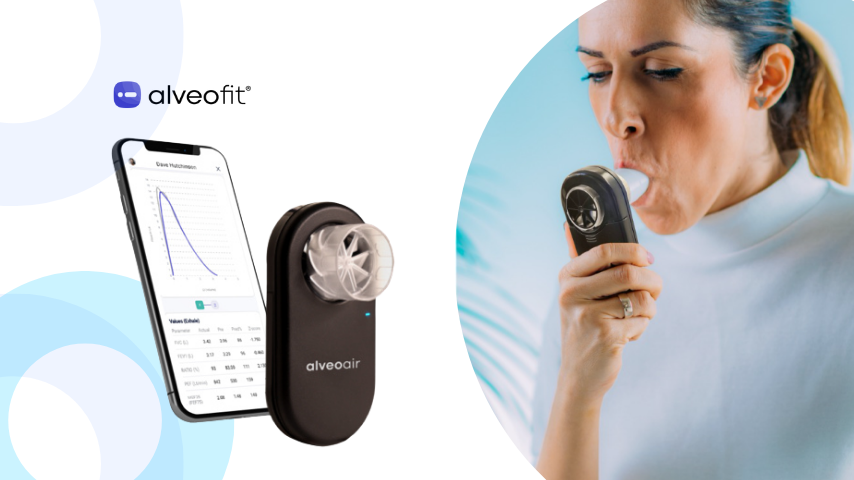
Are you someone who is managing their lung health and wants to keep a closer eye on your respiratory condition? Medical monitoring devices from alveofit can help you monitor the necessary health parameters from home and stay better connected with your respiratory care.